
For my website localization pilot project, I localized the website of Sichuan Museum from Chinese into English, Spanish, and Japanese with my teammate, Yifan Ren.
Background
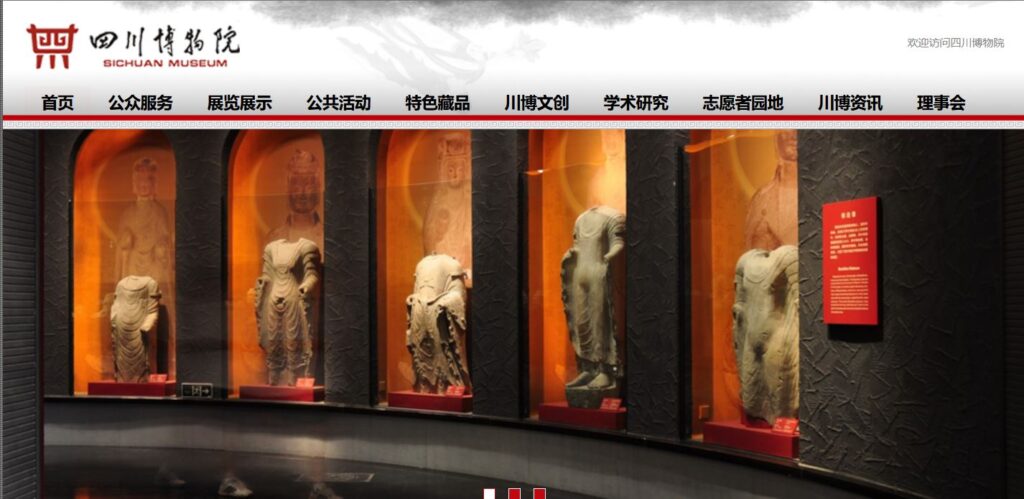
Founded in 1941, the Sichuan Museum has a history of more than 70 years. Statistics show that each year, about 130,000 tourists outside of China visit the Sichuan Museum, a majority of whom come from the following countries: US, UK, Japan, Australia, and Mexico. As the museum website has not yet been localized into any language other than Chinese, it’s in the benefit of the museum to have its website localized into English, Japanese, and Spanish. To have a fully localized website is also a good strategy for the museum to attract more foreign visitors.
The localized website can be visited via the link here: https://www.sichuanmuseum.yifanr.middcreate.net/
Localization Process
1. Enabling WPML
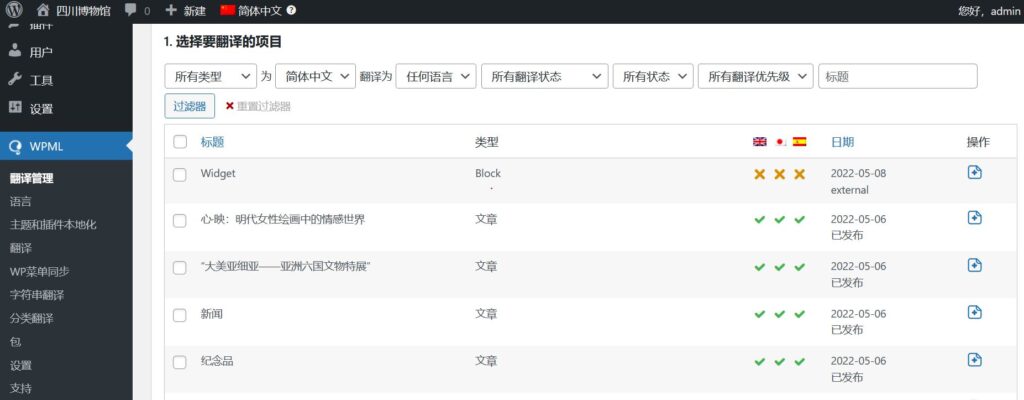
After re-creating the original website of Sichuan Museum on WordPress, we enabled WPML as a plug-in on WordPress to carry out the whole localization process. Since the original website is written in Chinese, we had to switch the default language on WPML to Chinese so that all strings automatically generated by the system would appear in Chinese.
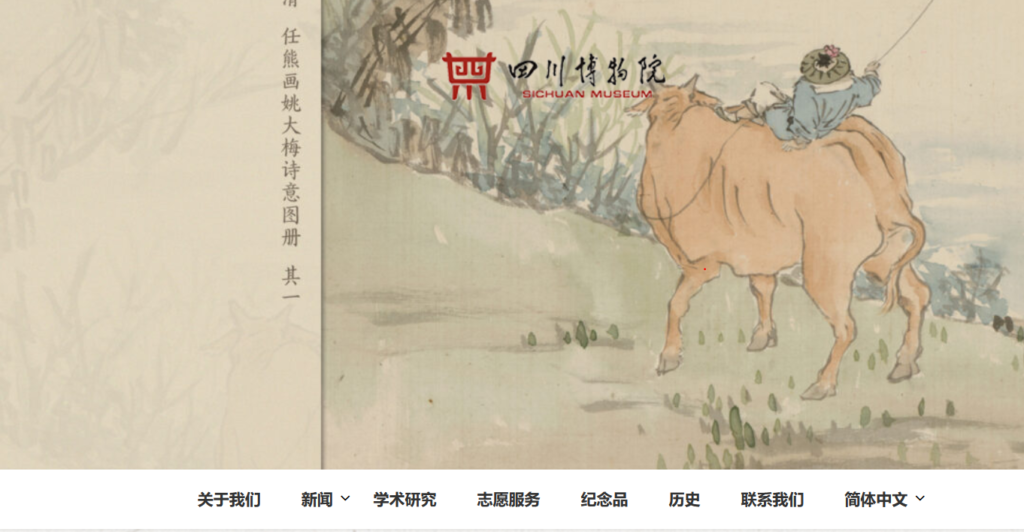
As we intended to localize the website into three languages, we added a language switcher drop-down list in the menu so that viewers can find it and switch the language setting easily.
2. String Translation
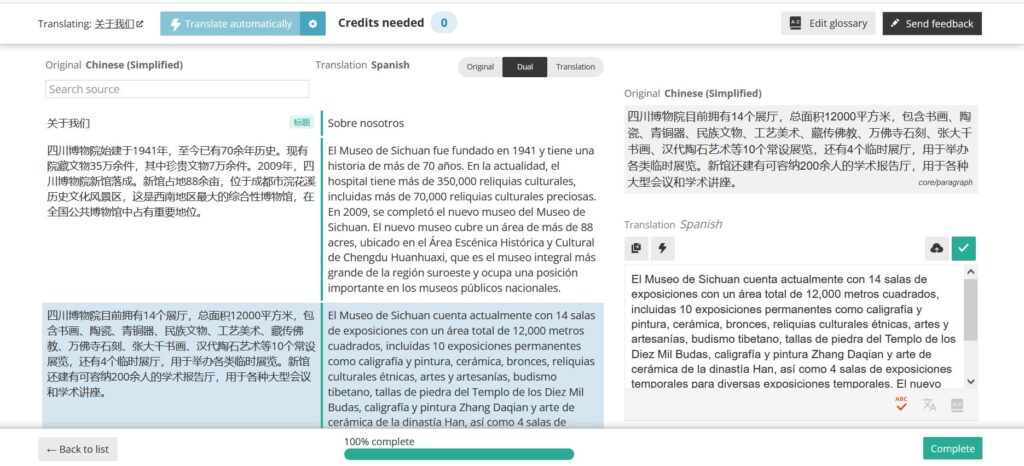
To translate the website, we tried a different approach this time rather than using Memsource. Instead of exporting all the strings into a zip file and uploading it to Memsource, we tried translating everything via the WPML-based TMS and online CAT tool. In comparison, I prefer Memsource because on WPML, the source texts are not properly segmented and normally come in a very long paragraph. Also, even though customized glossary can be accessible on WPML, it does not support translation memory and MT engine cannot be integrated to WPML if a MT API is not purchased. All these have made translation on WPML harder than on Memsource, despite it saves the time spent on file exportation and importation.
3. Widget Translation
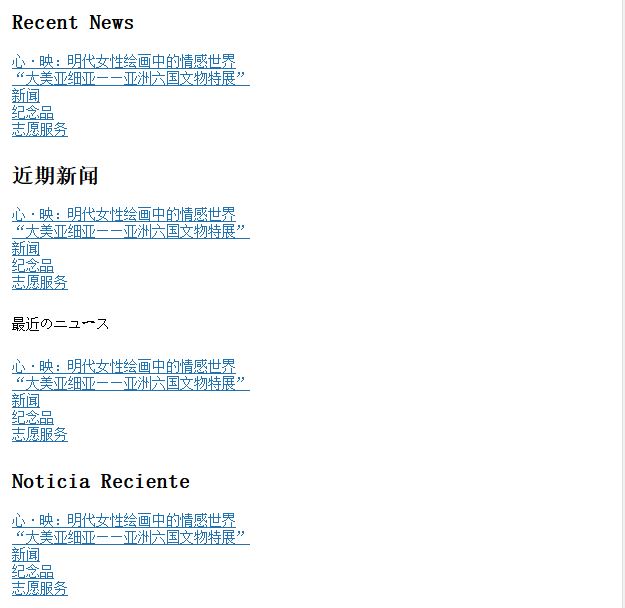
Widget localization is a major challenge for the localization of this website because widget strings are not included in the translatable files on WPML. Too solve this issue, we took a detour by adding additional widgets in different languages and making them visible only when the page is displayed in the same language they are written in.
Conclusion
This pilot project allows me to further develop my skills in web localization and offers me an opportunity to compare localizing the website on WordPress and turning to an outside tool like Memsource. It’s also my first time localizing something from Chinese, my native language, into other languages, which I enjoyed a lot.